
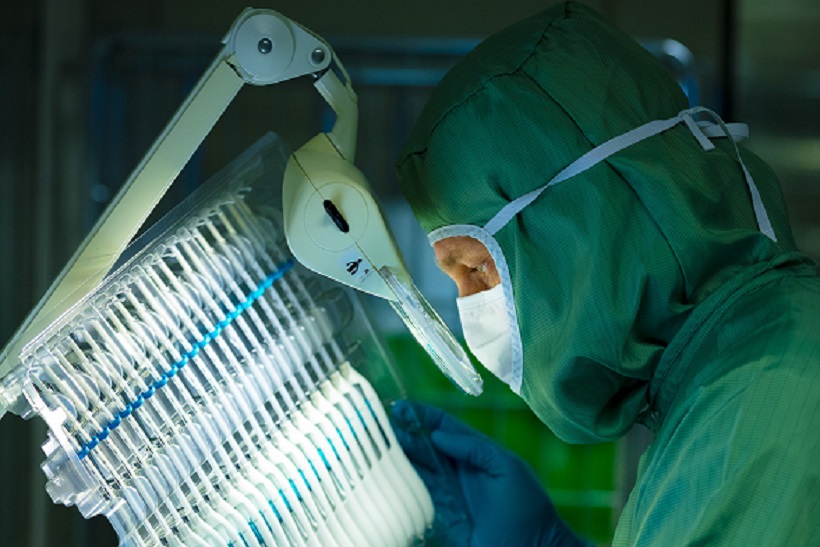
In the LifeFactFuture project, Finland’s leading Life Science companies, researchers, and technology partners are developing future production technologies. At Bayer, the project has already generated solutions that have been adopted by the company’s other plants worldwide. In the Turku region, close collaboration between higher education institutions and companies accelerates the renewal and growth of the sector.
Turku is home to internationally significant pharmaceutical development. How can we ensure that local life science production facilities remain competitive in the future?
LifeFactFuture project addresses this very question. In the project, Finland’s leading life science companies, researchers, and technology firms are exploring the future of the manufacturing landscape and the demands that technological development places on companies, their employees, and partners.
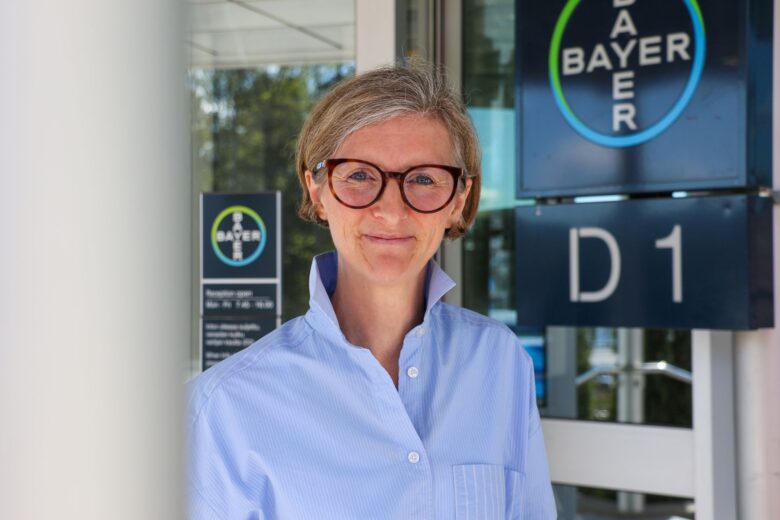
The project is unique in its specific focus on production development, says Sara Gambier, Digital Lead at Bayer. Traditionally, major innovation projects in the field have centred on product development.
Gambier notes that the project has highlighted the common challenges shared by Bayer, Orion, and Revvity. There is a collective drive to automate processes and utilize AI in a highly regulated industry where the journey from innovation to product is long. Tackling these fundamental challenges together makes sense.
– When we talk about things at a general level, no one loses out if we try to solve challenges together, Gambier says.
Mapping out Future Paths
The core of the LifeFactFuture project is anticipating possible futures. It envisions the industrial landscape and the production environment of the 2040s, examining emerging technology trends and their impact on business, regulation, and patient safety.
Based on expert interviews and other data, the Futures Distillery at the University of Turku has outlined what the future factory environment could look like. Building on this, the project partners are developing and testing new technologies in practice.
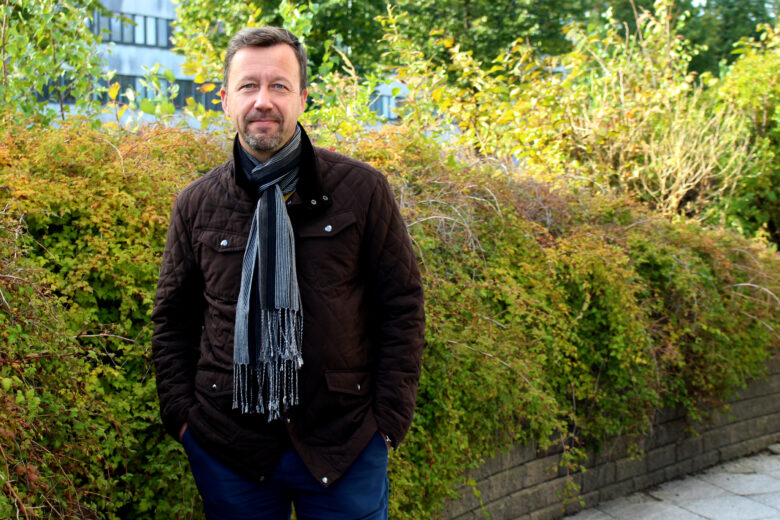
According to Development Manager Keijo Koskinen, foresight is a key tool for companies as emerging technologies disrupt business across numerous industries. Can a company and its partner network adapt their operations rapidly when the environment changes?
– Foresight is a tool for planning carefully further into the futures and identifying potential paths forward, he says.
LifeFactFuture is a Co-Innovation project funded by Business Finland. In addition to the universities of Turku and Helsinki and the partner companies, the project involves Fimea, the Finnish Medicines Agency.
Strict Regulation Challenges Automation
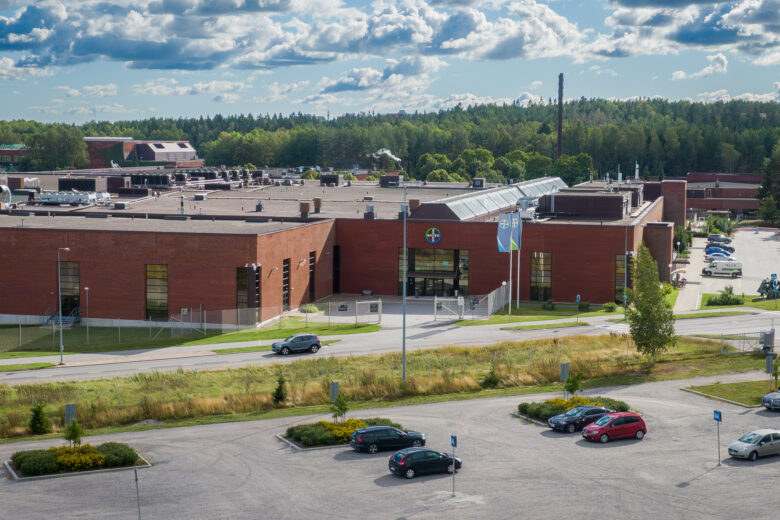
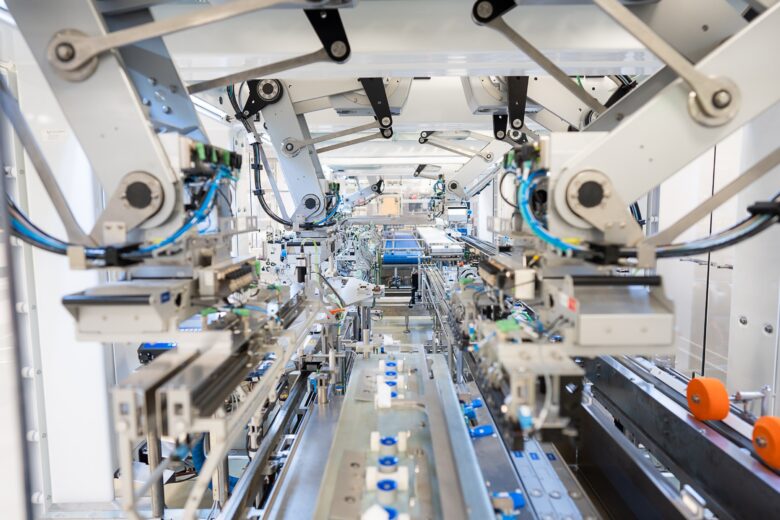
One of the production departments at Bayer’s Turku plant serves as the project’s pilot laboratory. It is used to research and test how AI can help solve and anticipate production process issues.
Sara Gambier notes that Bayer’s production expert can already ask an AI assistant what has occurred in the production process over the past 24 hours and discuss different problem-solving options.
– In an ideal world, the production process would be intelligent enough to analyse itself and learn in real time how to operate to prevent issues from arising, Gambier says.
We are not there yet, as industry regulations prevent the use of dynamic AI solutions in production. Therefore, the project also explores how to implement new technological solutions in a way that meets all regulatory requirements.
Bayer has around 20 pharma production sites worldwide. When a functional technological solution is discovered in Turku, it is proposed to other plants as well. The most successful pilots have already become global standards for the company.
– At the same time, we can demonstrate that we are a significant unit within Bayer, with the capability to reinvent ourselves and, at best, streamline our operations, Gambier says.
Close and Productive Collaboration
Gambier thinks that one of the Turku region’s key assets for Bayer is the proximity of higher education institutions. The company has strategic partnerships with the University of Turku, Åbo Akademi University, and Turku University of Applied Sciences.
The regional development company Business Turku often acts as an active connector between companies and higher education institutions.
– Turku is one of the few places in the world where representatives of large companies and higher education institutions can easily come together around the same table to discuss and develop new solutions. This has become particularly evident in our Women’s Health Hub Finland network, where collaboration is exceptionally smooth as we work towards a shared goal—advancing women’s health, says Jyrki Lehtimäki, Account Manager at Business Turku.
Collaboration with both higher education institutions and other companies is diverse. According to Gambier, Finland is a small, low-hierarchy country where it is easy to engage in practical, hands-on cooperation with ecosystem partners. The results are innovations that benefit Bayer globally. Bayer is also a member of the Women’s Health Hub Finland.
Collaboration with both higher education institutions and other companies is versatile. Gambier thinks that Finland is a small, low-hierarchy country where it is easy to engage in practical cooperation with ecosystem partners. This results in innovations that benefit Bayer on a global scale.
– Two of Bayer’s five top-selling pharmaceuticals originate from Finland. One is a product family developed at our plant, the other is a cancer drug developed in collaboration with Orion, Gambier says.
Keijo Koskinen from the University of Turku adds that public funding is available in Finland, provided that the project is well-justified, and its export impacts can be credibly demonstrated. The university supports companies also in drafting their project proposals.
At Bayer, production digitalization extends beyond the LifeFactFuture project, which concludes in 2027. Major IT investments are underway, and funding is already being sought for the next project. The aim is to build a virtual factory environment.
– There we could simulate everything virtually before investing in new facilities, processes, or machinery. The idea is to validate our needs in a virtual setting before moving to implementation, Gambier concludes.
Support for Innovation and Growth
– The four leading higher education institutions in the Turku region offer companies access to research expertise, extensive expert networks and support for piloting and experimentation. Read more about the cooperation opportunities here.
– Business Turku helps companies identify their research and development potential, find the right partners and use cutting‑edge research to develop new solutions. You can find the contact details for our RDI experts here.
– The Business Turku RDI Voucher is an easy route to university collaboration. Companies in Turku can apply for up to €10,000 in funding for research, development, and innovation projects with local higher education institutions. Read more and apply here.
– Business Turku coordinates several impactful thematic networks that open doors to new partnerships, funding channels, and development opportunities – and enhance your knowledge of our region’s ecosystems. Read more here.
Text: Heidi Pelander
Pictures: Heidi Pelander (Sara Gambier), Bayer (production pictures), Maiju Oikarinen (Keijo Koskinen)