

ArcDia’s long-term research, development and innovation (RDI) efforts in collaboration with regional universities have resulted in a globally unique health technology solution for diagnosing respiratory tract infections. The market disruption caused by the COVID-19 pandemic, together with tightening regulation, led to a situation where ArcDia is now the only Finnish company that develops and manufactures diagnostic products for respiratory infections.
Does your company need a boost in areas such as research collaboration, product development, commercialisation or internationalisation? Business Turku’s experts are here to support you.
The flu season is still ongoing and there’s a lot circulating, but ArcDia relies on data, not guesswork. The company’s mariPOC antigen‑based diagnostic system detects up to 11 severe, potentially hospitalisation‑requiring respiratory pathogens from a single sample in 15–20 minutes.
– The process is simple: a sample is taken in healthcare and placed in an automated analyser that delivers results almost immediately. A nurse can run the test, no specialised laboratory training is required, says ArcDia’s CEO Janne Koskinen.
ArcDia aims to improve early‑stage infectious disease diagnostics and enable timely, targeted treatment. Influenza, for example, can be shortened and alleviated with the right medication.
– If respiratory infections were always diagnosed early and treated correctly, the societal savings from reduced sick leave and fewer severe cases would be significant, Koskinen notes.
ArcDia is now Finland’s market leader in the private healthcare sector, and its technology is used in 15 countries. The company has recently begun collaboration with Pihlajalinna.
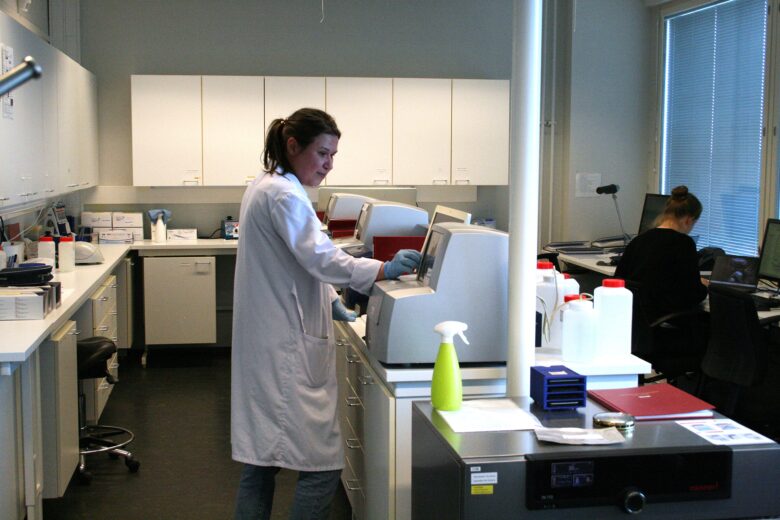
From Research Laboratories to Global Markets
ArcDia’s success is rooted in strong academic collaboration. The story began in the early 2000s at the University of Turku’s Biophysics Laboratory, where Janne Koskinen started as a summer intern in 2002 with the goal of developing rapid, accurate infectious disease diagnostics.
Koskinen’s 2008 doctoral thesis validated the technology. Collaboration between the University of Turku, Turku University of Applied Sciences and the company matured the innovation toward commercial readiness, with major support from the Academy of Finland. Physicians in the Turku region later requested a device capable of identifying multiple pathogens rapidly at the point of care rather than only in central laboratories.
This led to ArcDia’s flagship product: the mariPOC analyser, launched in 2010–2011. It was first used for respiratory infections and later expanded to gastrointestinal pathogens.
Collaboration with regional higher education institutions remains active.
– Each year, students join us through thesis work to develop our products, and many are hired afterward. Research experience in the company is excellent preparation for future careers, Koskinen says.
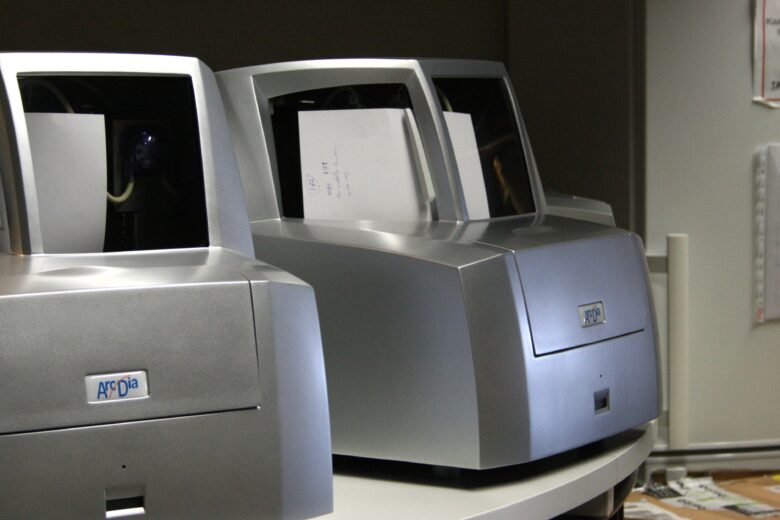
Rapid Testing Accelerated by the Pandemic
During the COVID‑19 pandemic, the need for rapid, reliable testing surged. Antigen testing proved faster and more reliable than PCR for identifying contagious patients and those who could benefit from antiviral treatment.
mariPOC results feed into the mariCloud real‑time surveillance platform, enabling regional epidemic monitoring including during the pandemic.
– Experts at the Finnish Institute for Health and Welfare and our healthcare customers use the situational awareness service, for example, to anticipate the onset of influenza season, Koskinen explains.
The company’s technology recently enabled its seventh doctoral dissertation. ArcDia’s R&D Manager Juha Koskinen demonstrated that point‑of‑care antigen testing is the most accurate and effective method for guiding diagnosis and treatment decisions.
– Scientific evidence shows that the most accurate method is not gene‑based PCR, long regarded as the gold standard, but ArcDia’s antigen‑based approach, which detects structural components of viruses and bacteria, Janne Koskinen clarifies.

Turku’s Innovation Ecosystem Fuels Growth
A strong, collaborative ecosystem is vital for health‑tech growth. According to Koskinen, Turku offers an exceptionally robust innovation environment where applied research and commercialisation proceed hand in hand.
– This is a natural setting where research excellence meets real‑world applications, he says.
ArcDia has also found key partners through Business Turku, especially at the annual HealthBIO event, which Koskinen considers the industry’s most important forum for meeting peers.
– Health technology is highly research‑intensive. Long‑term innovation emerges through open collaboration between universities, research institutes and companies. We need even more of this openness, Koskinen reflects.