
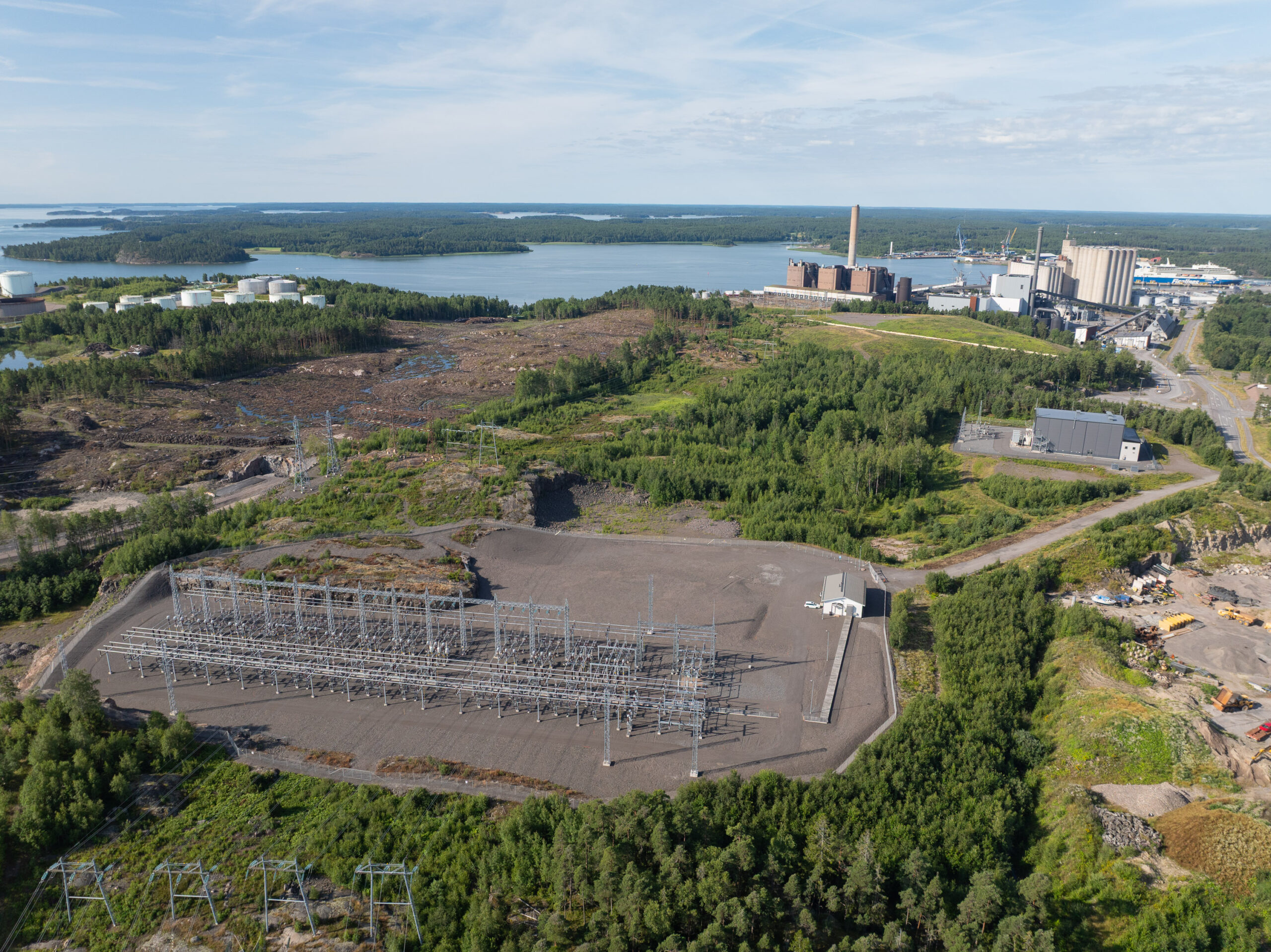
Coordinated by Business Turku, the regional energy vision anticipates future electricity demands and growth opportunities. A reliable power grid is vital for companies like Meyer Turku and Aurajoki Oy. Businesses praise the broad collaboration ensuring a strong energy infrastructure.
A power grid capacity crisis threatens industrial investments and the green transition across many European countries. In the Netherlands, for example, thousands of companies are currently queuing for years to get a grid connection.
The Turku region aims to prevent this. Therefore, local stakeholders have drafted their first joint energy vision, published in August 2026. It aims to create a competitive energy system that supports regional growth, exports, employment, and well-being.
– We want to ensure that we can always offer companies excellent conditions to locate and grow here in the Turku region, summarizes Toivo Koskinen, Head of Investment Promotion at Business Turku.
According to the energy vision, the region’s power grid capacity must be doubled by 2040. This requires both strengthening the grid and investing in low-emission energy, waste heat recovery, heat pumps, energy storage, and smart solutions in demand flexibility.
Koskinen notes that both Finland’s main grid operator Fingrid and local electricity distribution companies are pleased with the vision work. It gives them better visibility into the region’s future needs.
– According to the vision, the power and heat production built in the region will be based on renewable energy, he adds.
Collaboration Powered by Business Turku
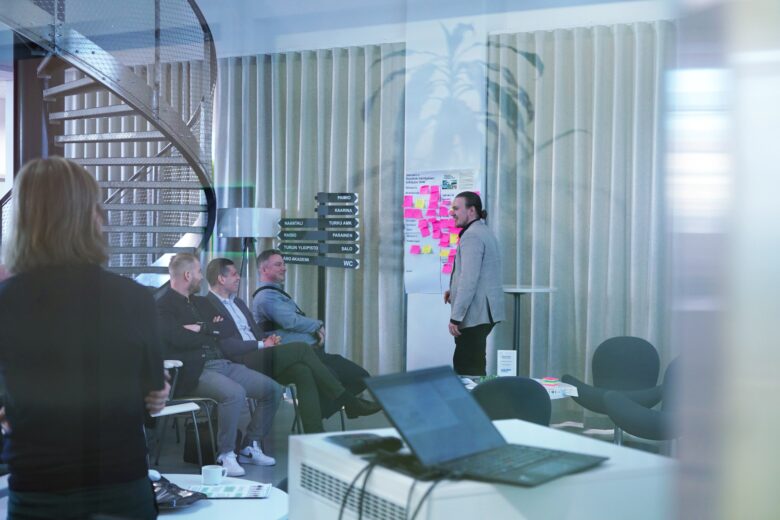
Business Turku recognized the need for an energy vision and brought energy companies, grid operators, municipalities, and businesses to the same table. According to Koskinen, the world is electrifying so fast that the entire region must work together to build an ever-better energy infrastructure.
A core group coordinated by Business Turku will take the vision forward. It identifies investment needs, growth opportunities, and potential bottlenecks in the Turku region. The power grid is being developed to enable the region’s strong industries, such as the maritime industry, pharmaceuticals, and the data economy, to grow and invest in clean solutions.
The goals also include developing business areas that attract investment, planning infrastructure for the needs of the hydrogen economy, and strengthening the region’s resilience.
-The core group provides information for proactive decision-making and for boosting the region’s competitiveness. This concerns the vitality of the entire region, Koskinen says.
Shipbuilding Relies on Strong Energy Infrastructure
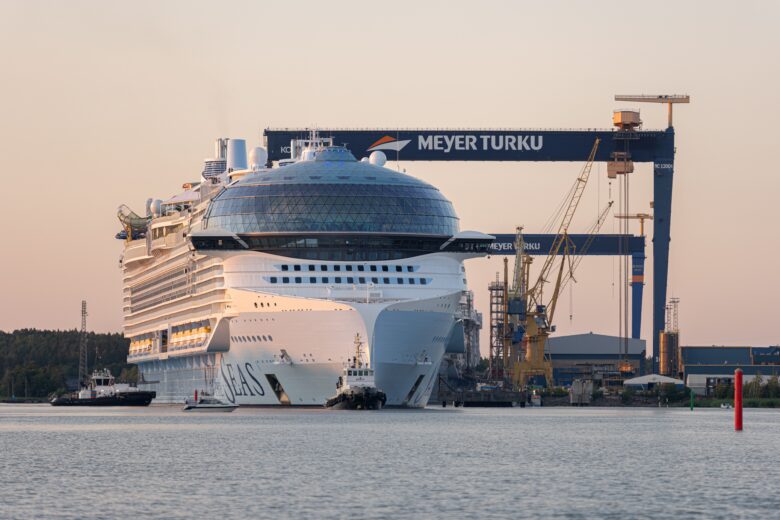
Meyer Turku is one of the big, electricity-intensive companies in the Turku region. Energy Efficiency Specialist Rasmus Pulkkanen thinks that a shared energy vision for the entire region is highly necessary as industry rapidly electrifies.
– This work supports the competitiveness and operational reliability of both our company and the entire region, he says.
A reliable power grid is vital for shipbuilding. The shipyard operates in multiple shifts, consuming electricity around the clock. Pulkkanen emphasizes that a strong energy infrastructure is also important for Meyer Turku’s partner companies, which number in the hundreds across the Turku region.
– Reliable transmission connections are extremely important to us, as energy availability directly impacts the continuity of production and our competitiveness.
Meyer Turku designs and builds ships of the future, where industrial electrification and responsibly produced electricity play a major role. The electricity used by Meyer Turku is generated from carbon-free sources, supporting its own operational emissions reduction goals.
According to Pulkkanen, reaching long-term emissions reduction targets requires anticipating energy needs far into the future, as well as close cooperation with energy sector actors in the region.
– Our major green transition goal is to significantly cut the shipyard’s own operational emissions by 2030.
Carbon-Neutral Surface Treatment with Green Electricity
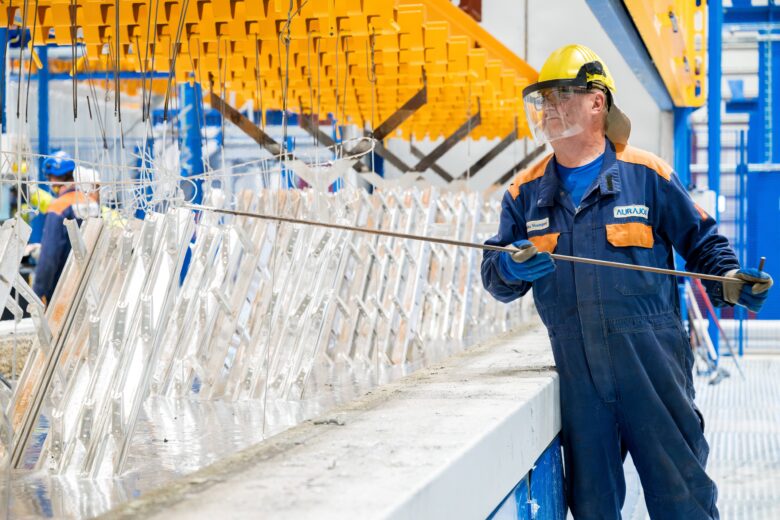
A reliable power grid also plays a key role in hot-dip galvanizing, one of Aurajoki Oy’s services. In the process, various steel products are protected against corrosion by dipping them in a 450-degree zinc bath.
When the zinc baths are heated with green electricity, the company can significantly reduce its carbon footprint, says CEO Kalle Rasinmäki. Carbon neutrality is indeed a key value for the company in both surface treatment and the manufacturing of steel structures.
– Customers also demand and appreciate it increasingly, Rasinmäki says.
Aurajoki Oy has three surface treatment plants in the Turku region. Hot-dip galvanizing is carried out in Lieto and Aura, and electrolytic surface treatment in Turku. As the energy transition accelerates, Rasinmäki believes that cooperation to strengthen the region’s energy infrastructure is essential.
– It also increases the region’s attractiveness if these matters are well thought out and companies’ needs are anticipated.
Text Heidi Pelander
Pictures Business Turku, Meyer Turku, Aurajoki Oy / Matti Rajala.