Corporations, startups and academic research could support one another. The key questions – and at the same time the biggest challenges – are speed and data ownership.
Although AI is by no means a new invention, the rapid progress of generative AI based on large language models in recent years has reshaped business – and will continue to do so. Behind this development, at least for general public, physical AI has so far remained in the background, yet its applications are seen as part of the next digital transformation.
Physical AI is still an unfamiliar term to many. The University of Turku’s Faculty of Technology was founded about five years ago, and physical AI is now one of its core research areas.
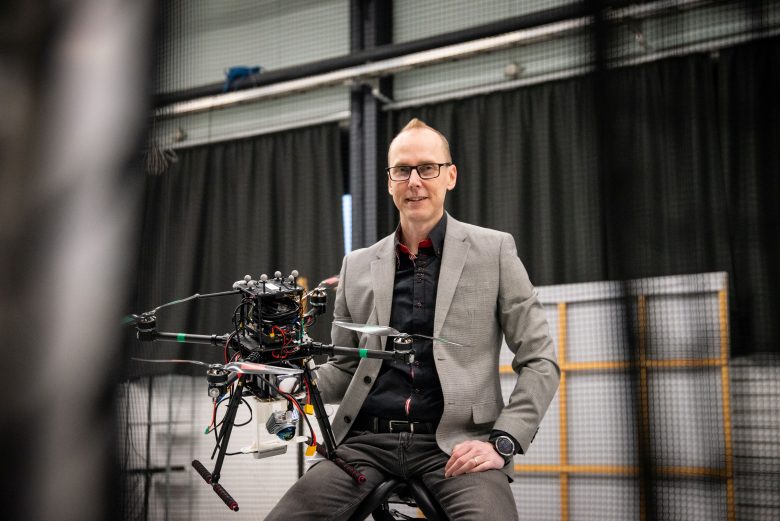
– Back then we weren’t even talking about physical AI, but about robotics, says Professor Tomi Westerlund.
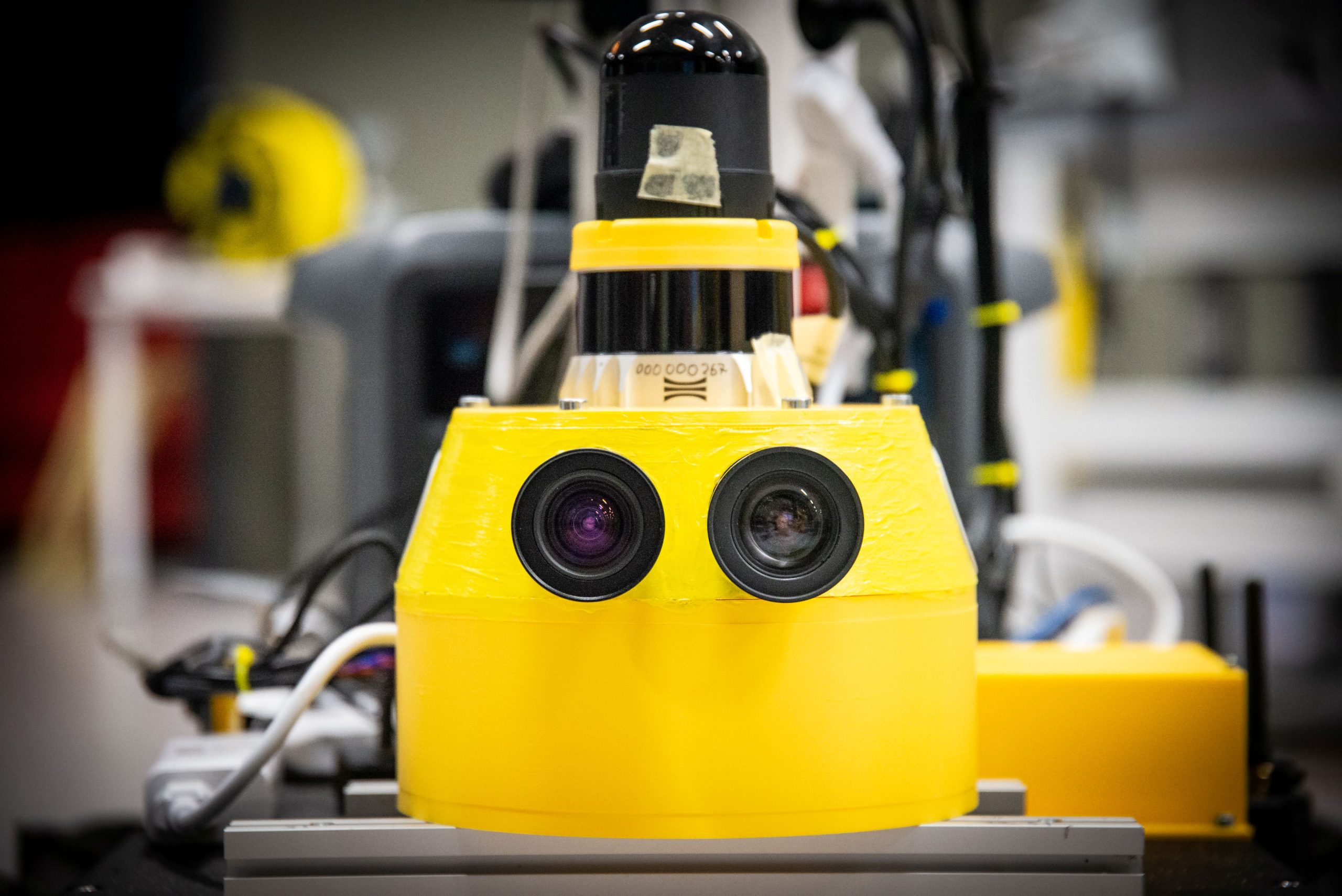
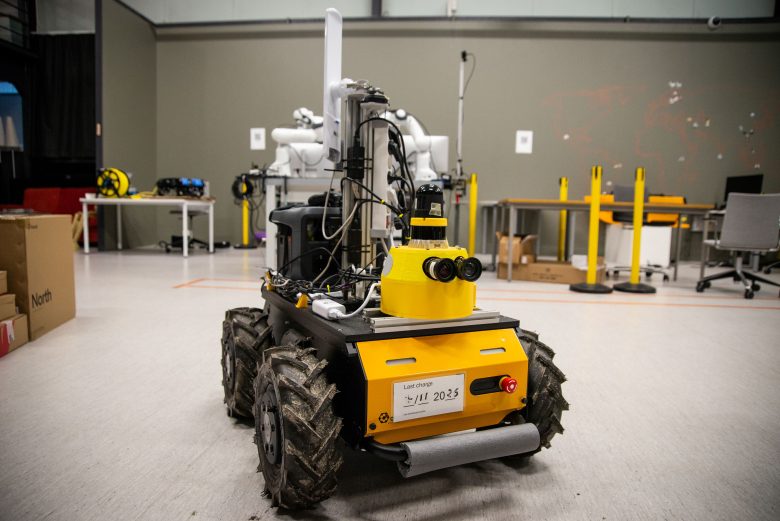
In practice, physical AI means AI that operates in real time in a physical environment and makes independent decisions even without a network connection. It perceives its surroundings through various sensors and processes the data on its own.
– The methods are largely the same as in the AI running in data centers, but the data is processed on the device itself. Large language models, for example, do not run on such devices. Instead, small language models and other AI models are used that are optimized to work with limited computing power and energy consumption, Westerlund explains.

The expertise is already there
Finns have traditionally been regarded as a nation of engineers. Perhaps it is precisely this combination of industrial and technological expertise with the rapid progress of AI that could become Finland’s competitive advantage in the future.
The most glamorous applications of physical AI are probably humanoid robots.
China and the United States are in a league of their own in developing them, but physical AI is much more than that.
– In certain areas we simply cannot compete. But in automation technology, for example, Finland has very strong expertise. In developing and manufacturing heavy machinery we are a world-class player, Westerlund says.
Finland also operates at a high level in drone technology.
No need to focus on everything
This September, a national physical AI accelerator project was kicked off, aiming to identify Finland’s competitive strengths and speed up the emergence of business built on physical AI.
The joint project involves Sitra, the business development organizations of Turku, Espoo, Oulu and Tampere, the University of Oulu, VTT, Business Finland and AI Finland.
In Turku, the project is being driven by Business Turku.
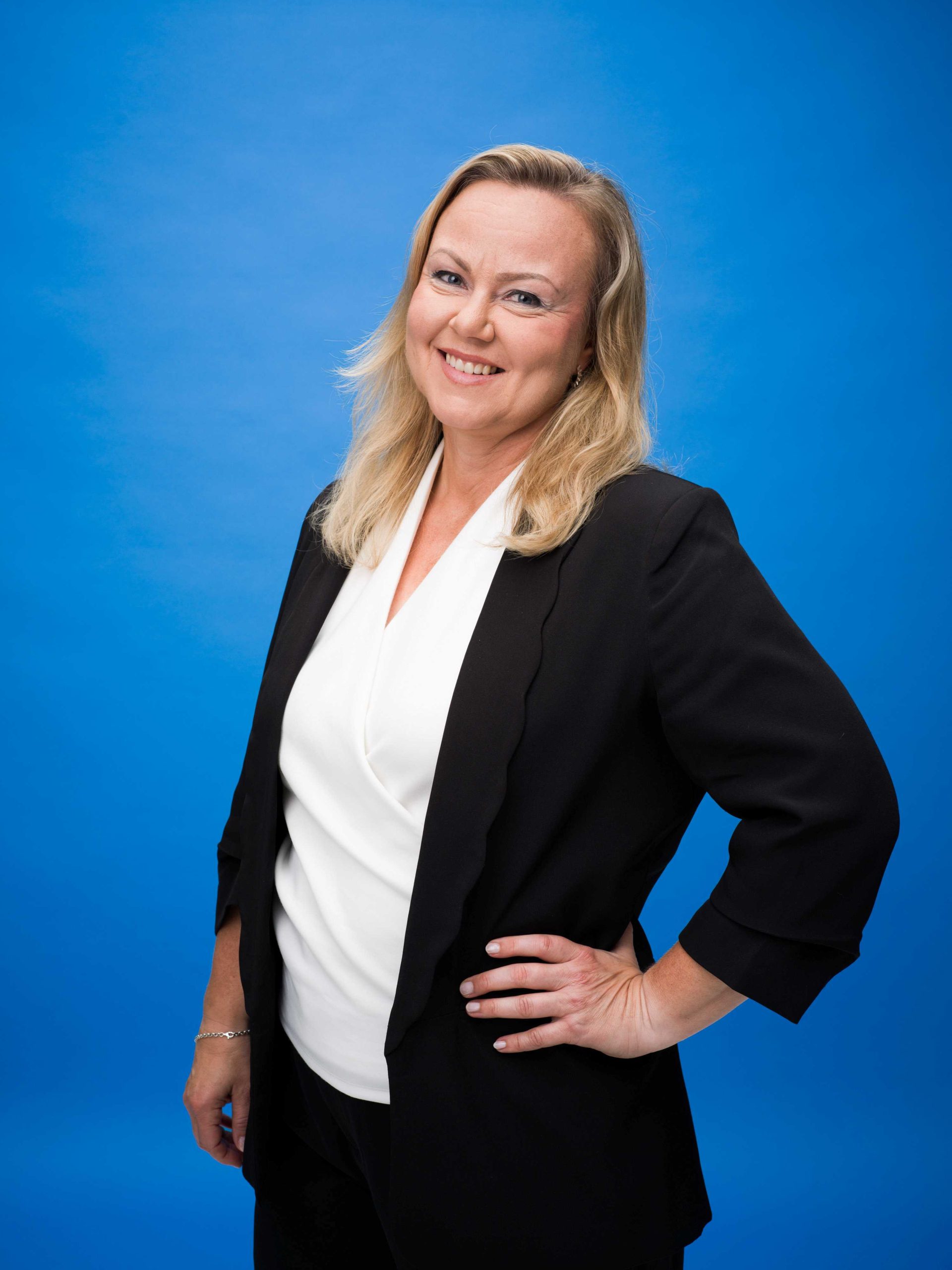
– You have to start somewhere. At the beginning we have cast the net quite wide, because we need to identify our national strengths, says Reetta Vuorinen, who is responsible for advanced technologies at Business Turku.
Vuorinen points out that the Turku region has one obvious field in which expertise is world-class: shipbuilding and the wider maritime industry. But the expertise does not end there. The Turku region is also a broader hub of the technology industry.
In global competition, small Finland perhaps should not try to reach for the moon or to do everything.
– The sweet spot might be found in some very niche area of expertise, Vuorinen suggests.
The maritime industry is the strength of the Turku region
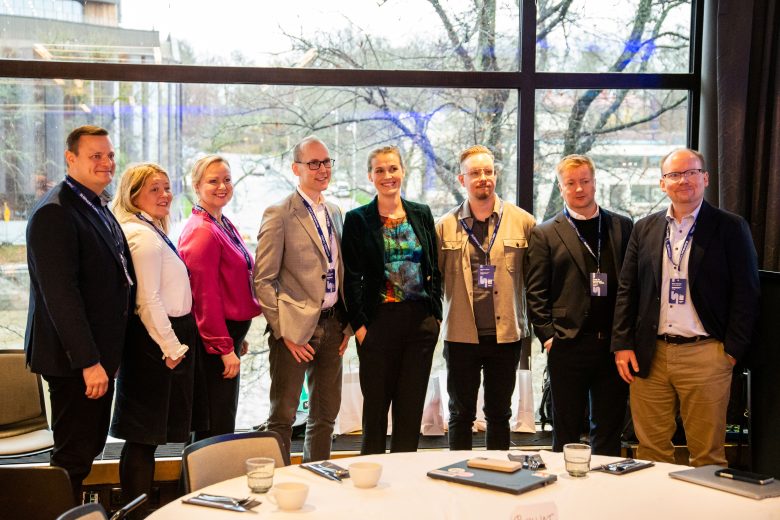
The Turku kick-off of the national physical AI project was the event named Physical AI – Finland’s next leap forward!, held in mid-November, which brought agents together for a shared discussion.
The event focused on the maritime industry, represented by Oskar Levander, VP Strategy & Business Development at Norwegian Kongsberg Maritime, and Osku Kälkäjä, Division Digital Lead of ABB’s Marine & Ports division.
The gradual transformation of shipping industry into an eventually autonomous has been discussed for a long time.
Fully autonomous ships are probably still fairly far off, particularly because of regulation. Remotely operated vessels will probably arrive sooner, but they too must be able to operate independently, for example in situations of lost connection.
– I believe AI will change the entire industry, Levander predicts.
AI has been used in shipping for some time to assist operations. By combining sensor, camera and radar data, the crew has been given a better picture of what is happening around them.
The problem so far is that AI solutions on ships are often product-specific. Overall management is lacking.
– AI needs to be brought first to the system level, then to the ship level and further to the fleet level, Levander envisions.
– In the future, a single AI assistant will support the crew in operating the entire ship. A bit like the HAL 9000 AI in the film 2001: A Space Odyssey. Hopefully with slightly different consequences, he jokes.
One of the key roles of physical AI in the future is to replace dangerous tasks on board. Even today, robots clean ship hulls, for example. Levander says, however, that robots have so far been more expensive than human labor. A labor shortage may accelerate the adoption of physical AI on ships.
– Of course, the cost of robots has to come down for buying them to be cost-effective for a shipping company. But we will see more and more of them in the future, and this is also an opportunity for Finnish industry, Levander believes.
The key to success is collaboration
But how could Finland become a leading country in physical AI, even in some areas? At the panel discussion at the November event, two things stood out above all: collaboration and speed.
Data is key in everything related to AI. The same applies to physical AI. Without high-quality data, devices cannot make decisions independently.
If we want to build deep collaboration around physical AI in Finland, sharing this data among different players could be of utmost importance.
Jenny Hasu of VTT, who took part in the panel discussion, said that in Sweden the data of large companies has been pooled for shared use. Admittedly, in this case it is the group of companies belonging to the powerful Wallenberg family.
One of the biggest questions, however, is data ownership: how are a company’s intellectual property rights protected when data is shared with others?
– Even in the maritime sector, data is being hoarded, which slows development. If we don’t collaborate, we will fall behind. One challenge is that our data is also our customers’ data, Levander says.
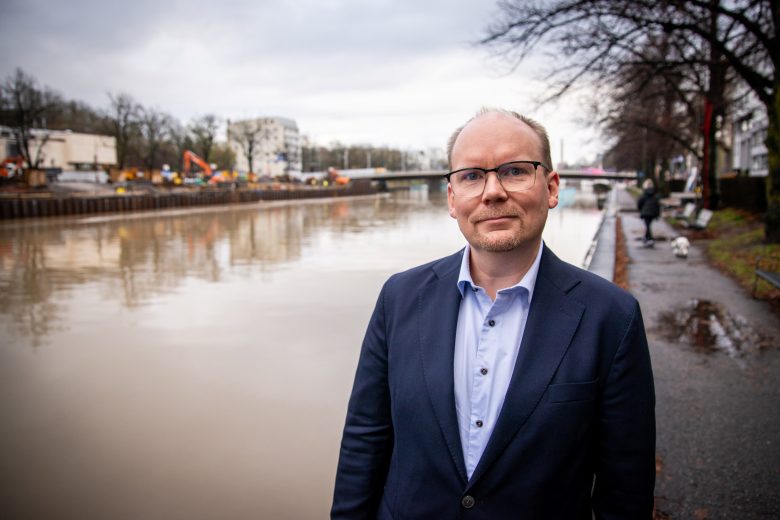
He reminds us that large companies are often somewhat slow in their decision-making. Westerlund of the University of Turku notes that on the research side, applying for funding always takes its own time.
Startups could perhaps bring the necessary momentum to the physical AI ecosystem, but more speed is also needed from public-sector actors.
The panelists reached a shared conclusion: the best aspects of the Swedish model could be adopted, and the ecosystem developed in collaboration between corporations, startups, academic world and public organizations.
The name came about almost by itself: the Turku Model. In the end, though, this is a national-level project. In the panelists’ view, Nordic cooperation should not be ruled out either.
– We may not have the most researchers and resources. Our best opportunity lies in our own ideas and in developing them. We have to create something new rather than follow others, Levander sums up.
– If we don’t react to the changing world, we’ll miss the train. Physical AI will change society like a tidal wave. Keeping up may also take a bit of nerve and sharp elbows, Hasu says.
Text and photos: Mikko Perttunen
The event was organised in collaboration with Sitra.
Would you like to get involved in developing “Turku’s model” for physical AI?
Get in touch with Reetta Vuorinen!